It is important to note that the glucose levels are of great importance and must be taken into account for good health status. Blood glucose acts as an energy source which helps us perform a number of activities. The level of blood glucose in our body is controlled through hormones like insulin. There is variation in the level of blood glucose in our body from time to time depending upon a number of factors like eating, physical activity, stress, sleep and overall health status.
Knowing the normal levels of blood glucose will help you know whether the level of blood glucose in your body is normal or not. This paper provides information about the normal level of blood glucose, differences between blood glucose level while fasting and after having food, factors that affect blood glucose level and ways of maintaining normal blood glucose level.
What Are Normal Glucose Levels?
Glucose levels can be defined as the amount of sugar found in the bloodstream at a certain time. Glucose levels will change based on whether the patient has taken food, how long the patient has been fasting, and even if the patient suffers from conditions like diabetes.
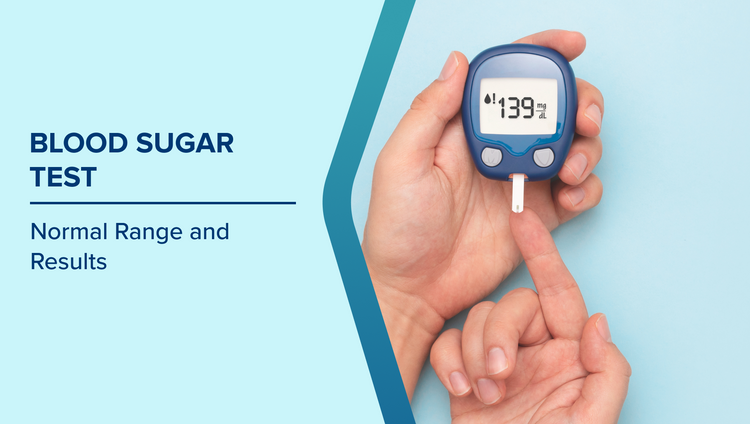
For non-pregnant adults who are free from any blood sugar condition, the normal blood glucose level should range from 70 to 99 mg/dl. The amount of glucose increases due to food intake since food is digested and converted to glucose that is later absorbed by insulin.
A reading of the blood glucose level must always be based on the method used in the test and the individual’s health condition. A single reading cannot be relied upon to diagnose an individual suffering from blood sugar conditions.
Normal Fasting Blood Sugar Levels
A fasting blood glucose test is used as a way of measuring the amount of sugar present in one’s blood when the body has been deprived of food for at least eight hours.
For individuals who are not pregnant and do not have any form of diabetes, the following interpretation of fasting glucose test results is considered:
- 70 – 99 mg/dL: Normal fasting blood glucose
- 100 – 125 mg/dL: Prediabetic
- 126 mg/dL: Diabetic (must be confirmed via repeat or additional tests).
These are values applicable to non-pregnant individuals. It is left to a medical practitioner to interpret the results.
In case an individual is said to be prediabetic, it shows that there are high levels of blood glucose but not as high to be called diabetic. This is an opportunity for an individual to change their life style in order to prevent from contracting type 2 diabetes.
What Are Normal Blood Sugar Levels After Eating?
The levels of blood glucose naturally increase due to the breakdown of carbohydrates into glucose within the body. The extent of the increase is dependent on the type of food, the portion size, physical activities, and the body’s control over the glucose level.
In healthy individuals, glucose level tends to increase after a meal and slowly returns to the normal range. There is, however, no specific glucose reading after meals for every individual.
The target for managing hyperglycemia in people without diabetes is to keep the blood glucose at a level that is lower than 180 mg/dL within one or two hours after the beginning of meals. The targets will vary depending on an individual, age, medication, and presence of other illnesses.
People with diabetes have to measure their blood glucose using the targets provided by their doctors.
Blood Glucose Levels in People with Diabetes
Individuals with diabetes usually have high or low blood glucose levels. Measurement of blood glucose helps them to know the impact of things like diet, exercises, medication for diabetes, etc. on the glucose levels.
Some of the glucose goals for people with diabetes are:
- Fasting glucose goal is 80-130 mg/dl.
- Within one to two hours after starting to eat, the glucose goal is less than 180 mg/dl.
- This may vary based on individual cases.
Those with insulin or some forms of diabetes medication require that they check their glucose levels because these medications may cause hypoglycemia.
What Is Considered Low Blood Sugar?
Low blood sugar, or hypoglycemia, usually indicates that your glucose is lower than 70 mg/dL. It is especially significant for those taking insulin and certain medications lowering glucose levels.
Some common symptoms are:
- Trembling or shaking.
- Sweating.
- Hunger.
- Feeling dizzy.
- Faster heart rate.
- Trouble concentrating.
- Confusion or strange behavior.
When a person who is awake and capable of swallowing experiences low blood sugar, one of the ways to treat this problem includes eating 15 grams of fast-acting carbs followed by glucose retesting after 15 minutes. If glucose is still under 70 mg/dL, the treatment should be repeated depending on the patient’s plan of care.
In the case of severe hypoglycemia, seizures and unconsciousness might occur. Don’t try feeding such a person; get medical help and give prescribed glucagon if applicable.
What Causes High Blood Sugar?
Hyperglycemia is characterized by excessive presence of glucose within the body. Glucose may be present in high amounts in the body when there is insufficient insulin present within the body or when insulin is used wrongly in the body.
Factors that cause high amounts of blood sugar are:
- Excessive consumption of carbohydrates.
- Non-use of diabetic medication.
- Absence of exercises.
- Illnesses and infections.
- Stress either physical or psychological.
- Consumption of some types of drugs such as steroids.
- Insufficient amount of insulin in the body.
Common signs of high blood sugar are:
- Experiencing extreme thirst accompanied with production of large amounts of urine.
- Fatigue.
- Blurred vision.
It is advised to consult a doctor when one has high amounts of blood sugar. In cases when one has additional signs of vomiting, abdominal pains, quickened breathing, dehydration, and confusion besides high blood sugar, then emergency medical assistance should be sort.
How Can You Check Your Blood Glucose Levels?
Blood glucose levels may be tested either in the lab or through devices for home use. The choice of a particular test depends on the reason for testing as well as a person’s diabetic status.
1. Fasting Blood Glucose Test
This type of blood test involves measuring the blood sugar level after fasting for at least eight hours. The test is often performed for screening purposes in order to diagnose prediabetes and diabetes.
2. Home Blood Glucose Meter
Glucose meters are used for measuring blood sugar with the help of a small blood sample taken from a finger
3. HbA1c Test
This test gives information about the amount of hemoglobin that is carrying glucose and helps give an approximate value of average blood glucose level for the past two or three months.
4. Continuous Glucose Monitor
In a continuous glucose monitor, there is a tiny sensor that is attached beneath the skin which can measure glucose levels in the interstitial fluid that surrounds the cells.
Home glucose monitors and continuous glucose monitors are useful tools in monitoring blood glucose levels, but they should be used for making decisions in diagnosis after proper medical tests.
Methods of Control of Glucose Levels
The following are the methods that will enable you to control your glucose levels.
- Consume healthy foods: This implies that you should consume healthy foods such as vegetables, cereals, proteins, and foods rich in fiber. You will be in a position to measure the amount of food consumed.
- Perform physical activities: Physical activities include the performance of physical exercise. This makes you more sensitive to insulin.
- Maintain an ideal body weight: People who are overweight should try to lose their body weight.
- Take plenty of rest: You will be able to control your glucose levels.
- Control stress levels: Various techniques will be used to control your stress levels.
- Visit your doctor: This is where you will get drugs from your doctor.
Conclusion
Measurement of the normal blood glucose level depends on the time of the test, test method used, and one’s health condition. The normal blood glucose range for an adult individual who is in good health condition without having any diabetic complications is 70-99 mg/dL. Normal range of 100-125 mg/dL can be classified as prediabetes, while the normal range of 126 mg/dL and above indicates diabetic.
Leave a Reply