Tag: how i cured my insulin resistance

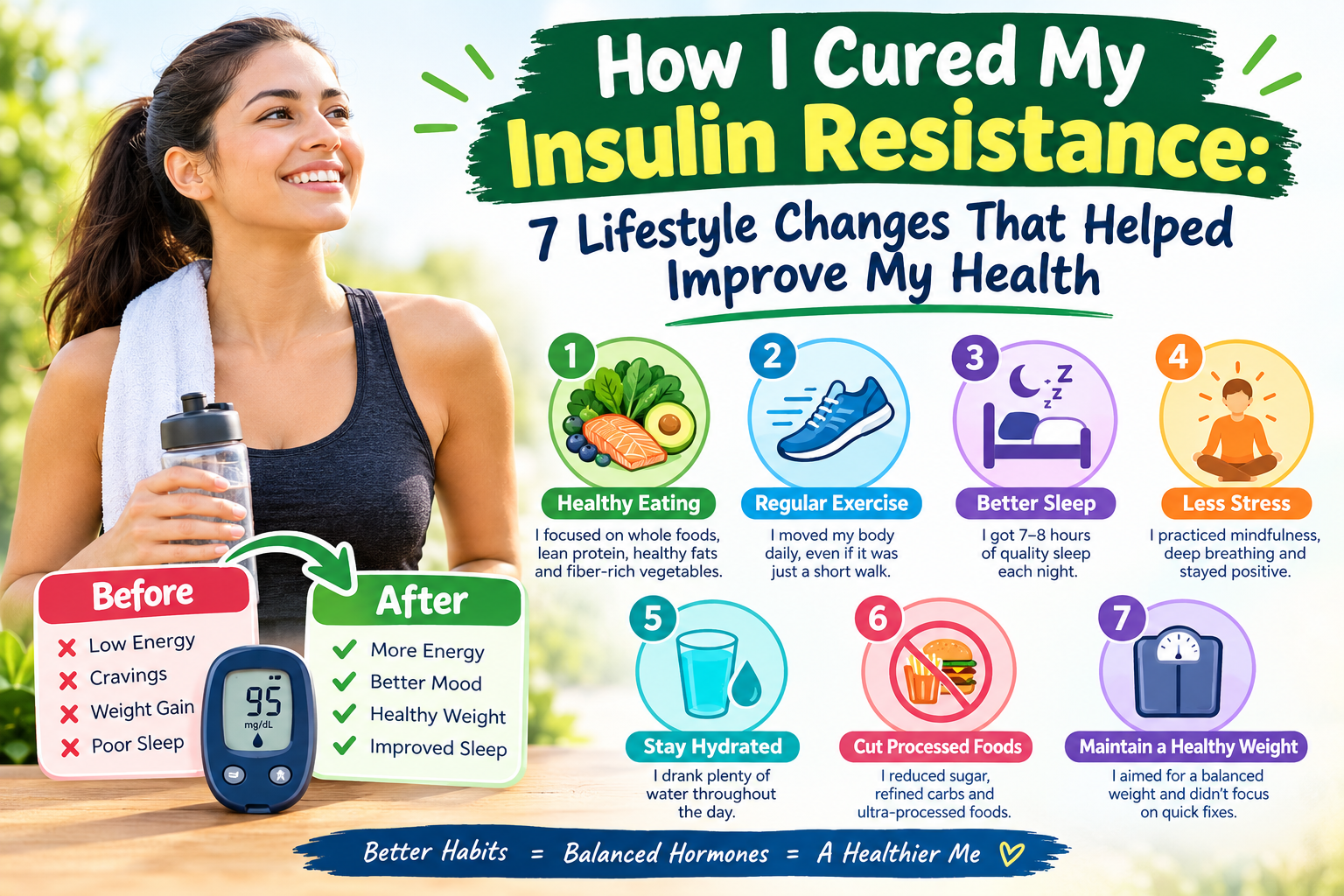
  • How I Cured My Insulin Resistance: 7 Lifestyle Changes That Helped Improve My Health

    How I Cured My Insulin Resistance: 7 Lifestyle Changes That Helped Improve My Health

    The majority of the cells in our body are insulin-sensitive. Insulin is a hormone produced by the pancreas that allows glucose to enter cells and be used for energy. When cells are insulin-resistant, the pancreas must produce more insulin to keep blood sugar levels in the normal range.

    Many people wonder how I cured my insulin resistance and whether it is possible to reverse insulin resistance naturally. Lifestyle changes to improve insulin sensitivity, manage blood sugar and support health can include: healthy eating, exercise, sleep and managing weight.

    In this post I will go over 7 lifestyle changes that can help improve insulin sensitivity and manage blood sugar levels and help you on your way to long-term health and wellness.

    What Is Insulin Resistance?

    Muscle, fat and liver cells in the body are normally very sensitive to the effects of insulin, a hormone made by the pancreas to help the body use glucose for energy.

    When the body becomes insulin resistant, the pancreas must produce more insulin to keep blood sugar in the normal range. In time, this can lead to prediabetes and type 2 diabetes.

    • Excess body weight, particularly around the waist.
    • Physical inactivity.
    • A diet high in refined carbohydrates and added sugars.
    • Poor sleep quality.
    • Family history of type 2 diabetes.
    • Certain hormonal and medical conditions.

    How I Cured My Insulin Resistance: 7 Lifestyle Changes

    Lifestyle changes to improve insulin resistance typically take time to develop and require consistent effort. The following strategies are based on the latest research and can help to improve your metabolic health.

    1. I Changed My Eating Habits

    One of the most important things that I did to cure my insulin resistance was to improve my eating habits.

    Avoid highly processed food, sugary drinks and refined carbohydrates as much as possible. These can lead to large spikes in blood sugar, even when consumed in moderation.

    Instead, focus on balanced meals containing:

    • Whole grains such as oats and brown rice.
    • Fresh vegetables and leafy greens.
    • Fruits such as apples, berries, and oranges.
    • Protein sources such as eggs, fish, beans, and chicken.
    • Healthy fats from nuts, seeds, and olive oil.

    Eating carbohydrates with protein, fiber and healthy fats can help to slow down the release of sugar into the bloodstream, helping to maintain stable blood sugar levels.

    2. I Started Walking Every Day

    The most effective way to improve insulin sensitivity is through regular physical activity.

    This is because when we walk the muscles are using glucose for energy, which in turn reduces the amount of insulin required to take the glucose from the bloodstream into the body cells.

    Start with 20–30 minutes of walking daily, depending on your fitness level. Walking for 10–15 minutes after meals can also help manage post-meal blood sugar levels.

    When starting a new exercise routine consistency is key, so don’t be too concerned with intensity.

    3. I Added Strength Training to My Routine

    Strength training can also help to improve insulin sensitivity by increasing muscle mass. As muscles use up glucose for energy, maintaining healthy muscle tissue is another way to support healthy blood sugar levels.

    Some beginner-friendly exercises include:

    • Squats.
    • Push-ups.
    • Resistance band exercises.
    • Lunges.
    • Light weightlifting.

    You can include strength training in your routine on 2 days of the week, gradually increasing the intensity as you get fitter.

    4. I Reduced Added Sugar and Refined Carbohydrates

    The more sugar and refined carbohydrates that you consume, the harder it will be to manage blood sugar levels.

    Limit sugary drinks, packaged sweets, white bread, pastries and other highly processed foods.

    You don’t have to completely cut out carbohydrates from your diet. Just choose high-fiber carbohydrates such as whole grains, lentils, beans and vegetables.

    Making small changes to your diet over time can help to make these changes sustainable.

    5. I Improved My Sleep Schedule

    Sleep also plays an important role in metabolic health. Poor sleep and erratic sleep patterns can affect both insulin sensitivity and blood sugar levels.

    Adults need 7-9 hours of quality sleep per night.

    Some simple ways to improve sleep are:

    • Go to bed and wake up at consistent times.
    • Avoid caffeine late in the day.
    • Reduce screen exposure before bedtime.
    • Keep your bedroom quiet and comfortable.
    • Avoid heavy meals immediately before sleeping.

    With better sleep, you can support your overall health and also help to regulate various hormones that affect metabolism.

    6. I Managed Stress Levels

    Stress can have a negative impact on the body and affect the hormones which control blood glucose levels.

    Managing stress can be another useful strategy to help improve insulin resistance.

    Try incorporating simple relaxation activities into your daily routine such as meditation, deep breathing, yoga, outdoor walks or spending time with family and friends.

    Even 10–15 minutes of relaxation each day can help establish healthier stress-management habits.

    7. I Focused on Maintaining a Healthy Weight

    In order to improve insulin sensitivity, people with excess body weight need to lose a modest amount of weight.

    Research has found that people at high risk of developing type 2 diabetes can reduce their risk by losing as little as 5–7% of their initial body weight.

    Avoid crash diets and extreme calorie restrictions. Instead, focus on sustainable habits such as balanced meals, regular exercise, portion awareness, and consistent sleep.

    How Long Does It Take to Reverse Insulin Resistance?

    As insulin resistance is caused by a variety of factors, results from lifestyle changes will vary from person to person.

    Some people may see improvements in their blood sugar measurements in as little as a few weeks, while more significant improvements may take several months.

    Regular medical monitoring can help determine whether your efforts are making a difference.

    How to Know If Insulin Resistance Is Improving

    As mentioned previously, insulin resistance can be asymptomatic and so, blood tests are the best way to monitor progress.

    Your healthcare professional may recommend:

    • Fasting blood glucose: Measures blood sugar after fasting.
    • HbA1c test: Estimates average blood glucose over approximately three months.
    • Fasting insulin: May help assess insulin levels in appropriate clinical settings.
    • Lipid profile: Evaluates cholesterol and triglyceride levels.

    The results of these tests can help to establish whether your health is improving, although your healthcare professional will also take into account other factors in the results.

    Can You Reverse Insulin Resistance Naturally?

    In many cases, insulin resistance can improve significantly through consistent lifestyle changes. Healthy eating, regular exercise, weight management, adequate sleep, and stress reduction are important strategies.

    As with any health issue, results can vary from person to person and some people with insulin resistance may also require medical treatment for underlying health conditions.

    Never stop prescribed medication without consulting your healthcare provider.

    Conclusion

    The lifestyle changes I have implemented to cure my insulin resistance are many and are based on the latest scientific research. There is no overnight solution to improving health, but the positive changes you make today will have a huge impact on your long-term health.

    Focus on eating nutritious foods, walking regularly, building muscle, reducing added sugar, sleeping well, and managing stress. Monitor your health through appropriate medical tests and work with a qualified healthcare professional to create a plan that suits your needs.

    Improving insulin resistance is a long-term journey. Consistency, patience and the support of a qualified health professional are the keys to better metabolic health.
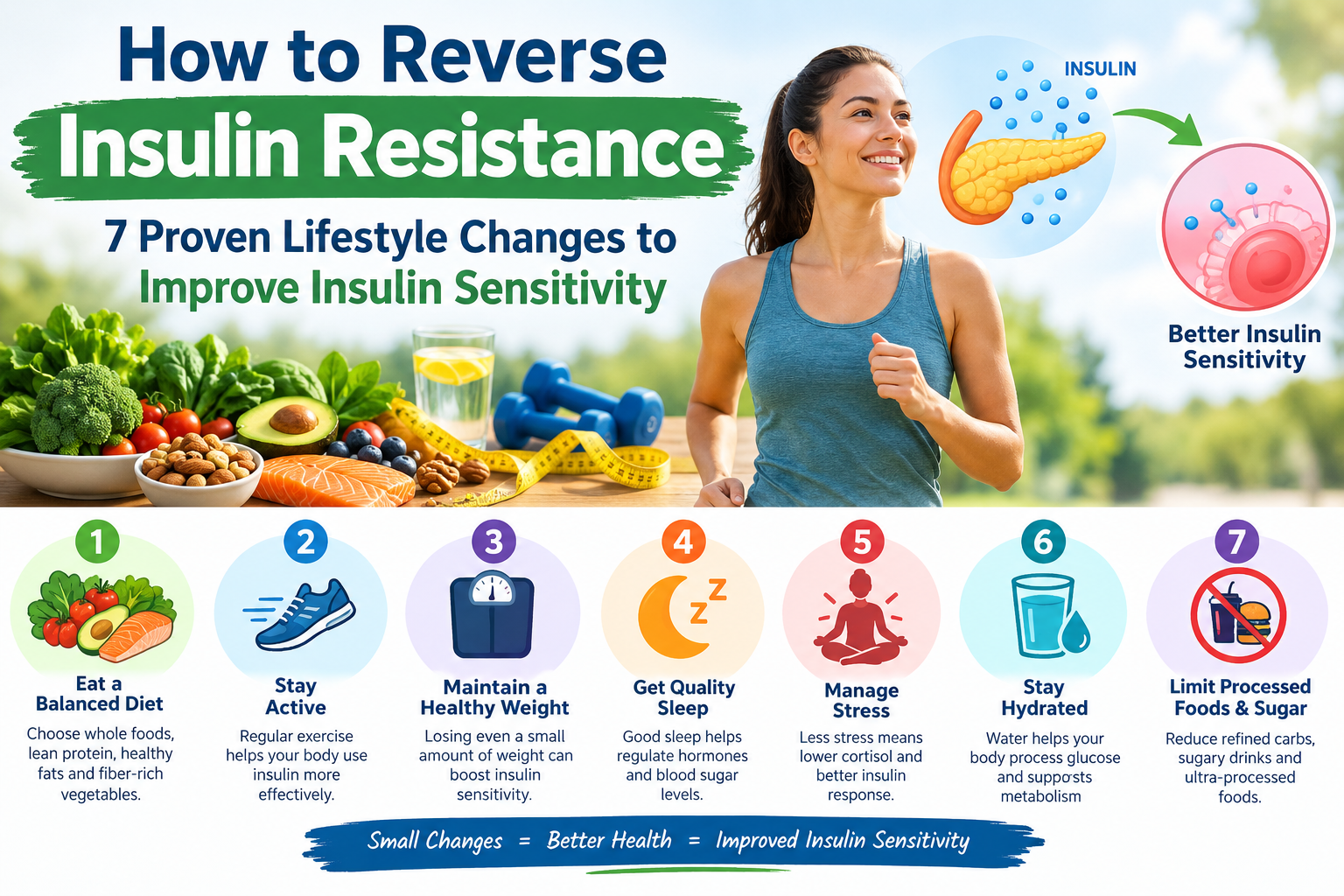
  • How to reverse insulin resistance: 7 proven lifestyle changes to improve insulin sensitivity

    How to reverse insulin resistance: 7 proven lifestyle changes to improve insulin sensitivity

    Insulin resistance is a common health condition that happens when the cells in your body don’t respond properly to insulin. Insulin is a hormone produced by your pancreas. It’s role is to transport glucose (sugar) from your blood to your cells so that it can be used as energy. If your cells are less sensitive to insulin, your pancreas will produce more insulin to help keep your blood sugar levels normal. Over time, this can lead to an increased risk of prediabetes and type 2 diabetes.

    Fortunately, you can often improve insulin resistance through healthy lifestyle changes. This includes regular exercise, a balanced diet, weight management, and better sleep. Knowing how to reverse insulin resistance can help you make informed choices and better support your long-term metabolic health.

    In this guide, we’ll discuss practical ways to treat insulin resistance, how to reduce insulin resistance naturally, and daily habits that can help improve insulin sensitivity.

    What is insulin resistance?

    Insulin resistance is a condition where your muscle, fat, and liver cells don’t respond effectively to insulin. This makes it harder for glucose to enter cells, which causes the body to produce more insulin. In the early stages, the pancreas can compensate by releasing more insulin. But if the pancreas can’t produce enough insulin to keep blood glucose levels healthy, your blood sugar can rise.

    Insulin resistance is linked to several health conditions, such as:

    • Prediabetes
    • Type 2 diabetes
    • Polycystic ovary syndrome (PCOS)
    • Metabolic syndrome
    • Increased risk of cardiovascular disease

    Not everyone with insulin resistance will develop diabetes. Early lifestyle changes can help you reduce the risk of future complications.

    Common signs and symptoms of insulin resistance

    Insulin resistance doesn’t always cause obvious symptoms. You may not even know you have it. But there are some signs that can indicate you have insulin resistance. Common signs include:

    • Increased belly fat
    • Unexplained weight gain
    • Dark, thickened skin around the neck or armpits
    • Skin tags
    • Increased hunger
    • Fatigue
    • High blood pressure
    • Increased blood sugar levels

    These symptoms don’t necessarily mean you have insulin resistance. A healthcare professional can help you determine the appropriate blood tests to check your health. This may include tests like fasting glucose, HbA1c, and other metabolic tests.

    How to reverse insulin resistance naturally

    To improve insulin sensitivity, you’ll need to make consistent lifestyle changes rather than look for a quick fix. There are several ways you can help support healthy blood sugar levels and improve how your body responds to insulin.

    1. Eat a balanced, high-fiber diet

    The food you eat daily can play a role in managing insulin resistance. Making nutritious food choices can help you better regulate blood glucose levels and improve insulin sensitivity.

    Try to eat more foods that contain fiber, protein, healthy fats, vitamins, and minerals.

    Foods you can include in your diet:

    • Vegetables like spinach, broccoli, cauliflower, and carrots
    • Fruits like apples, berries, oranges, and pears
    • Whole grains like oats, brown rice, and quinoa
    • Protein sources like eggs, fish, chicken, tofu, and lentils
    • Healthy fats like nuts, seeds, olive oil, and avocados
    • Fiber-rich foods like beans, chickpeas, and vegetables

    Limit sugary drinks, sweets, refined carbohydrates, and highly processed foods. You don’t have to cut out all carbohydrates. Instead, look for higher-fiber carbohydrate sources and pair them with protein and healthy fats.

    2. Exercise regularly

    Exercise is one of the most effective ways to improve insulin sensitivity. During exercise, your muscles use glucose as energy.

    This can help your body better manage blood sugar. You don’t need a fancy gym membership to start. Simple activities can make a difference.

    Some exercises you can include in your routine:

    • Briskly walking for 30 minutes
    • Cycling or swimming
    • Strength training 2-3 times a week
    • Bodyweight exercises like squats and push-ups
    • Light stretching and yoga

    Aim for at least 150 minutes of moderate-intensity physical activity per week, if possible for your health. If you’re currently inactive, start slowly and build up your activity.

    3. Manage your body weight

    Excess body fat, especially in the abdominal area, can be a factor in insulin resistance. If you have overweight or obesity, losing a modest amount of weight can help improve insulin sensitivity and lower the risk of developing type 2 diabetes.

    You don’t need to try extreme diets or aim to lose weight quickly.

    Instead, focus on:

    • Eating a balanced diet

    • Controlling portion sizes

    • Consistent exercise

    • Limiting sugary high-calorie drinks

    • Eating on a regular schedule

    If you have prediabetes and overweight, losing about 5% to 7% of your starting weight can significantly reduce your risk of developing type 2 diabetes. Talk to a healthcare professional about individual goals.

    4. Improve your sleep quality

    Sleep is another factor to consider when learning how to reduce insulin resistance. Poor sleep and irregular sleep schedules can affect hormones that play a role in appetite, metabolism, and blood glucose regulation.

    Generally, adults should aim for 7-9 hours of quality sleep per night.

    Some simple ways to improve your sleep:

    • Go to bed at a consistent time
    • Avoid caffeine late in the day
    • Limit screen time before bed
    • Make sure your bedroom is dark and comfortable
    • Avoid heavy meals right before bed
    • Do a relaxing nighttime routine

    Improving sleep habits can help you support your overall metabolic health and better maintain healthy eating and exercise habits.

    5. Reduce stress levels

    Chronic stress can affect blood sugar regulation. When you experience stress, your body releases hormones like cortisol and adrenaline. These hormones can affect glucose levels and insulin sensitivity.

    While you can’t eliminate all sources of stress, you can find healthier ways to manage stress.

    Some activities you can try:

    • Meditation for 10-15 minutes
    • Take a relaxing walk outside
    • Do deep breathing exercises
    • Spend time with friends and family
    • Enjoy hobbies that help you relax
    • Maintain a healthy balance between work and personal life

    Regularly managing stress can help you better support your overall health.

    6. Avoid sugary drinks and highly processed foods

    Sugary drinks and highly processed foods can make it harder to maintain healthy blood glucose levels, especially if you consume them frequently.

    Try to limit:

    • Soft drinks and energy drinks
    • Packaged fruit juices with added sugar
    • Candy and chocolates
    • Cakes, cookies, and pastries
    • Highly refined snacks
    • Frequent fast food meals

    Opt for water, unsweetened drinks, whole fruits, homemade meals, and minimally processed foods instead.

    You can also make simple food swaps. For example, instead of eating sugary breakfast cereals, switch to plain oats. Or choose whole grain bread instead of highly refined white bread.

    7. Monitor your blood sugar and overall health

    Monitoring your health can help you see if your lifestyle changes are making a difference.

    A healthcare professional may recommend tests like:

    • HbA1c test: This test measures your average blood glucose over about 3 months.
    • Fasting blood glucose test: This test measures blood sugar after you’ve fasted.
    • Lipid profile: This test measures cholesterol and triglyceride levels.
    • Blood pressure test: This test can help assess your cardiovascular health.

    Your doctor may also check for other conditions related to insulin resistance.

    Keep in mind that insulin resistance is not always diagnosed with a single routine blood test. Your healthcare provider will take into account your medical history, risk factors, and lab results.

    Can medication help treat insulin resistance?

    While lifestyle changes are often the foundation for managing insulin resistance, some people may need medical treatment depending on their blood glucose levels, weight, and other health conditions.

    In some cases, doctors may prescribe medications like metformin. This is more common for people with prediabetes or type 2 diabetes.

    Always take medications under medical supervision. Don’t stop taking your diabetes medication or change the dose without talking to your healthcare provider.

    Also, be cautious of unverified supplements or products that claim to quickly reverse insulin resistance.

    How I cured my insulin resistance: What can you learn?

    You may find yourself searching for how I cured my insulin resistance online. This is because people often want to learn what lifestyle changes helped others improve their metabolic health.

    While experiences can vary, some common healthy habits are often recommended:

    • Swap sugary drinks for water
    • Eat more vegetables and fiber-rich foods
    • Regularly take a walk after meals
    • Include strength training in your weekly exercise
    • Improve your sleep quality
    • Manage stress
    • Follow medical advice and monitor blood glucose

    There isn’t a single routine that works for everyone. Insulin resistance can significantly improve, but results will depend on your individual health conditions, genetics, and consistency.

    How long does it take to improve insulin resistance?

    There’s no set timeline for improving insulin resistance. Some people may see improvements in blood glucose control within weeks of making lifestyle changes. Others may take several months or longer.

    Some factors that can affect progress include:

    • Starting blood glucose levels
    • Body weight and body composition
    • Physical activity levels
    • Dietary habits
    • Sleep quality
    • Other medical conditions

    Instead of aiming for immediate results, focus on consistency. Regular check-ups can help you see if your efforts are improving your health.

    Frequently asked questions (FAQs)

    1. Can you reverse insulin resistance naturally?

    You can often improve insulin resistance through regular exercise, a balanced diet, weight management, adequate sleep, and stress reduction. But results can vary, and you may need medical guidance.

    2. What’s the fastest way to decrease insulin resistance?

    There’s no guaranteed quick fix. Some practical ways to improve insulin sensitivity include regular physical activity, a high-fiber diet, healthy weight management, and reducing sugary drinks.

    3. What foods should you avoid with insulin resistance?

    Limit sugary drinks, sweets, highly refined carbohydrates, and heavily processed foods. Focus on vegetables, whole grains, lean proteins, fruits, and healthy fats instead.

    4. Does walking help reverse insulin resistance?

    Yes, walking can help your muscles use glucose as energy. This can help improve insulin sensitivity. Regular brisk walking is a good starting point for many people.

    5. Is insulin resistance the same as diabetes?

    No, insulin resistance means your body’s cells don’t respond properly to insulin. It can lead to prediabetes and type 2 diabetes, but they aren’t the same.

    6. Can you have insulin resistance without being overweight?

    Yes, people with a healthy body weight can still have insulin resistance. This can be due to factors like genetics, family history, lack of physical activity, and other health conditions.

    Conclusion

    Learning how to reverse insulin resistance is an important step to improving your long-term health. While there’s no instant fix, making consistent lifestyle changes can help your body better respond to insulin. This can support healthier blood glucose levels.

    Start by improving your diet, exercising regularly, maintaining a healthy weight, getting enough sleep, and managing everyday stress. If you think you might have insulin resistance, consult a qualified healthcare professional. They can help you determine the appropriate testing and treatment recommendations.

    Remember, making small, consistent improvements can have meaningful long-term health benefits.