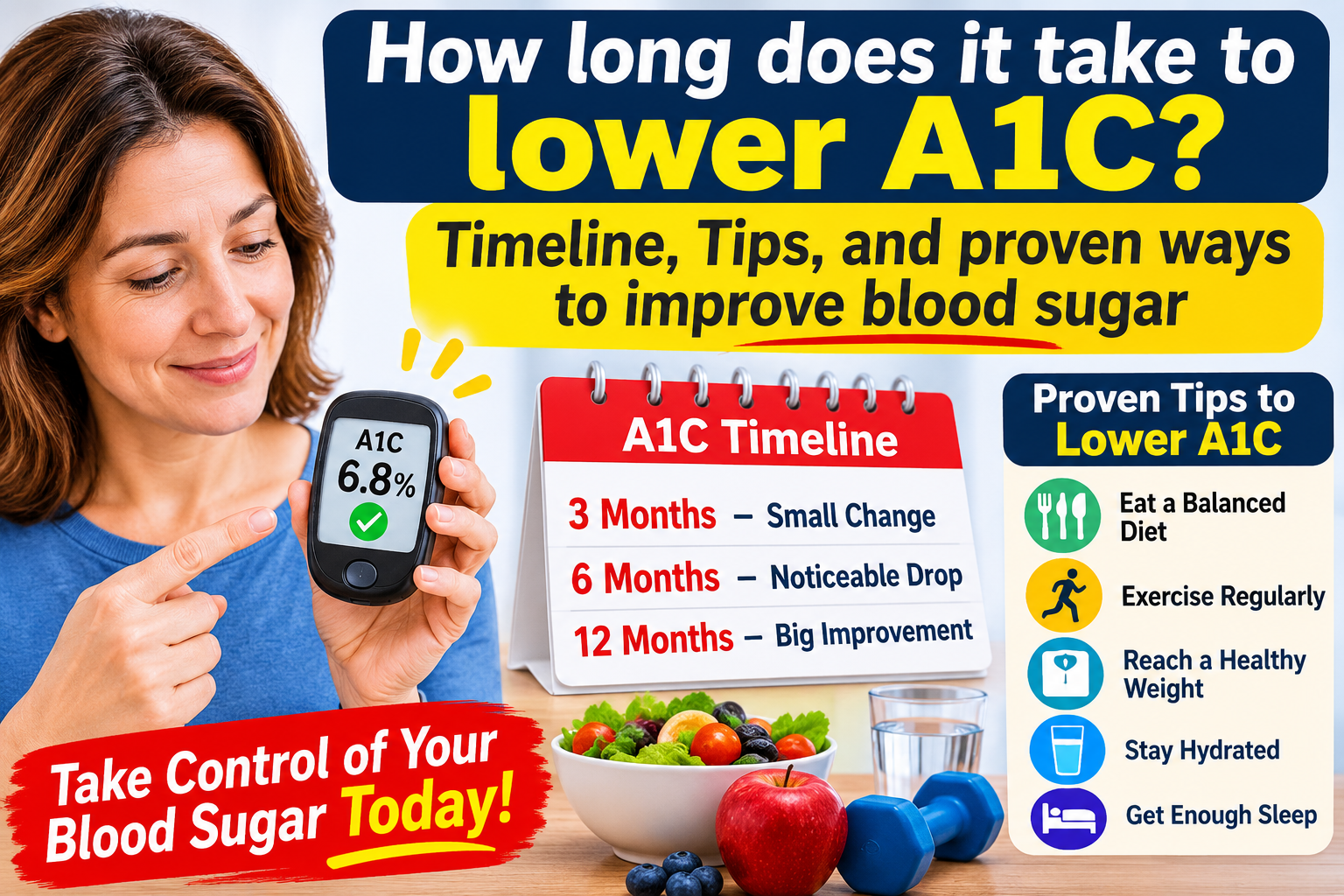
If you’ve been diagnosed with diabetes or prediabetes, you might ask: how long does it take to lower A1C? Fortunately, it’s possible to improve your A1C by making consistent lifestyle changes, eating healthy, being physically active, and taking appropriate medication.
However, the amount of time it will take depends on your initial A1C, your overall health, your blood sugar patterns, and your treatment plan.
Generally speaking, you can expect to see noticeable improvements in 6–12 weeks; however, a more comprehensive view of your progress usually becomes apparent after approximately three months. Understanding how A1C works can help you develop realistic expectations and make better choices about how to manage your blood sugar.
What is A1C?
A1C, also known as hemoglobin A1C or HbA1c, is a blood test that measures your average blood glucose (blood sugar) over the last three months. It specifically measures the percentage of hemoglobin in your red blood cells that has glucose attached to it.
Healthcare providers use this test to diagnose prediabetes and diabetes and to monitor how well someone is managing their blood sugar.
Below is a general guide to understanding your A1C results:
A1C Level Meaning
Under 5.7% Normal range
5.7%–6.4% Prediabetes
6.5% or above Diabetes range
For many non-pregnant adults with diabetes, an A1C target under 7% is likely appropriate.
However, individual targets may vary depending upon your age, health status, medications, and risk for low blood sugar.
How long does it take to lower A1C?
Generally speaking, it will take about 2–3 months for changes in your blood sugar management to fully reflect in your A1C results.
While you may begin to see improvements in your daily blood glucose readings within days or weeks of making dietary changes, increasing physical activity, or beginning a prescribed medication, changes in your A1C occur more slowly due to the fact that red blood cells circulate throughout the body for approximately three months.
Below is a general timeline:
First 2–4 Weeks
In the first few weeks, you may begin to notice improvements in your daily blood sugar readings. Eating balanced meals, cutting back on sugary drinks, getting in regular walks, and adhering to your treatment plan can help improve your glucose control.
At this point, while your A1C may be starting to change, it is usually too early to assess the full impact of these changes.
After 6–8 Weeks
After six to eight weeks of consistently adhering to lifestyle modifications and receiving appropriate medication, you may begin to see more substantial improvements in your average blood glucose levels.
During this time, your healthcare provider may evaluate your blood sugar readings to assess if your treatment plan is working as intended.
After 8–12 Weeks
This is typically the point at which an A1C test provides a more accurate representation of your progress. Because the A1C test reflects blood glucose levels over the prior three months, the test can provide insight into how recent habits and treatment have impacted your average blood sugar.
After 3–6 Months
With consistent management of your diabetes, some individuals achieve significant reductions in their A1C levels over several months. The degree to which your results change will depend on where you started, your treatment, your lifestyle, and your unique health circumstances.
Remember, every individual’s progress varies; therefore, achieving a safe reduction in your A1C is more important than achieving a rapid decline.
7 Effective Ways to Lower Your A1C Levels
If you want to reduce your A1C, focus on establishing consistent habits that promote healthy blood glucose levels. The following are seven effective ways to support improved diabetes management.
1. Reduce Sugar and Refined Carbohydrates
One of the most effective ways to manage blood sugar is to minimize foods that contain added sugar and refined carbohydrates.
Foods to limit:
- Sugary drinks and packaged juices
- Candy, cookies, and cakes
- White bread and refined flour products
- Highly processed snacks
- Sweetened breakfast cereals
Instead, emphasize whole grains, vegetables, beans, and other high-fiber foods.
2. Exercise Regularly
Regular physical activity assists in utilizing glucose for energy by your muscles and enhances insulin sensitivity.
Aim for approximately 150 minutes of moderate-intensity physical activity per week, provided it is safe for you.
Some beneficial types of physical activity include:
- Walking for 30 minutes each day
- Cycling
- Swimming
- Light weight-training
- Yoga and stretching
Even a brief walk after meals may assist in managing post-meal blood sugar levels.
3. Eat More Fiber-Rich Foods
Fiber slows carbohydrate absorption and may assist in minimizing abrupt increases in blood sugar.
Examples of foods rich in fiber include:
- Broccoli and spinach
- Beans and lentils
- Oats
- Chia seeds
- Apples and berries
- Whole grains
Consuming a balanced diet with sufficient amounts of fiber can facilitate better long-term glucose management.
4. Take Prescribed Diabetes Medication
If your healthcare provider has prescribed diabetes medication, adhere strictly to the instructions provided. Medication used to treat diabetes includes metformin, insulin, and other glucose-lowering agents.
Do not discontinue or modify the use of your prescribed medication without consulting your healthcare provider first.
5. Maintain a Healthy Weight
In individuals who are overweight, losing weight gradually and sustainably can enhance insulin sensitivity and improve control over blood sugar.
Focus on consuming balanced meals, practicing portion control, engaging in regular physical activity, and developing healthy daily routines rather than attempting extreme dieting.
6. Get Enough Sleep
Sleep deprivation can negatively influence hormones involved in regulating blood sugar and complicate diabetes management efforts.
Most adults should aim for approximately seven to nine hours of sleep each night. Establishing a consistent sleep schedule and avoiding screen time immediately preceding sleep can promote adequate rest.
7. Monitor Your Blood Sugar
Monitoring your blood glucose on a regular basis allows you to gain a better understanding of how meals, physical activity, medication, and daily routines affect your readings.
Record your readings and discuss any unusual trends with your healthcare provider.
Factors Influencing How Quickly Your A1C Drops
Not everyone experiences similar rates of improvement in their A1C levels. A number of factors can influence how rapidly your results decrease.
- Your initial A1C level: Individuals with higher initial levels may experience differing degrees of improvement compared to those who are closer to their target.
- Dietary and physical activity habits: Consistent adherence to healthy eating and regular physical activity can contribute positively toward improving glucose control.
- Medications: The specific type of medication(s), dosage(s), and individual response to medications can influence the rate of improvement.
- Duration of diabetes: Individuals with longstanding diabetes may require more customized treatment plans.
- Other health conditions: Stress, illness, anemia, renal dysfunction, and certain blood disorders can adversely affect glucose management or the accuracy of A1C testing.
When should you re-test your A1C?
A1C testing assists in determining whether your diabetes management plan is producing positive outcomes.
According to the CDC, individuals who have recently initiated new treatments or are currently failing to meet their blood sugar targets may need an A1C test approximately every three months. Individuals who are consistently meeting their treatment goals may only require testing every six months.
Your healthcare provider can advise you as to the appropriate frequency for testing based on your specific situation.
Frequently Asked Questions (FAQs)
1. Can I reduce my A1C in 30 days?
While you may observe improvements in your daily blood sugar readings within 30 days through healthier eating, increased physical activity, and appropriate treatment, 30 days is typically insufficient time to demonstrate the full effect of these changes on your A1C since the test measures blood glucose over the previous three months.
2. How long does it take to reduce my A1C from 8% to 6%?
The amount of time required to reduce your A1C from 8% to 6% will vary from person-to-person. It may take several months or longer depending on the type of medication(s) prescribed, the degree of lifestyle changes made, and individual health factors. Collaborate with your healthcare provider to establish a safe and achievable target.
3. Can daily walking reduce my A1C?
Yes. Engaging in daily walking can improve insulin sensitivity and enable your body to utilize glucose more efficiently. Walking consistently — particularly after meals — can support improved blood sugar control over time.
4. Does drinking more water reduce my A1C?
Drinking adequate amounts of water supports proper hydration and aids in eliminating excess glucose through urination when blood sugar is elevated.
However, water alone does not directly address diabetes or guarantee a reduction in your A1C.
5. What is considered a normal A1C level?
Generally speaking, an A1C under 5.7% is considered normal. Results between 5.7% and 6.4% indicate prediabetes; whereas results above 6.5% are classified as diabetes. Your healthcare professional may suggest repeat testing to confirm a diagnosis.
Conclusion
In summary: how long does it take to reduce my A1C? For most individuals, approximately 2–3 months represents a reasonable period of time for assessing meaningful changes; however, improvements in daily blood sugar can be observed much sooner.
The most effective strategy involves combining balanced nutrition, regular physical activity, appropriate medication(s), sufficient sleep, and consistent blood glucose monitoring. Avoid fad diets or rapid attempts to reduce glucose levels too quickly; instead, collaborate with your healthcare provider to design a safe, sustainable plan and regularly monitor your progress.